

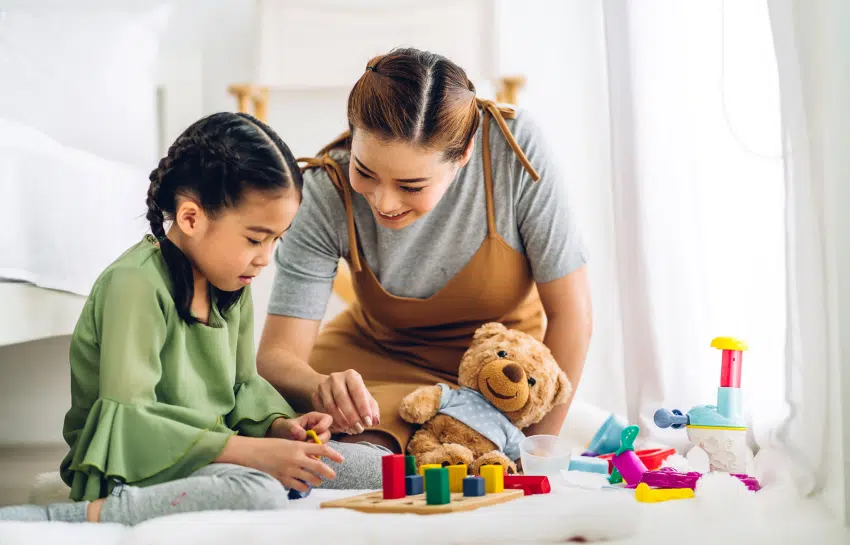
Play is far more than entertainment for children—it is one of the most important ways they learn about themselves and the world around them. Through play, children develop physical abilities, strengthen social skills, improve communication, and build the confidence needed to face new challenges. Whether structured or unstructured, independent or shared, meaningful play experiences create opportunities for growth that support every stage of childhood development and lay the foundation for lifelong learning.
Why Play Is Essential For Healthy Child Development
Play is a natural part of childhood and serves as a powerful tool for learning. Every activity, from stacking blocks to pretending to cook a meal, encourages children to explore, solve problems, and understand how things work. Rather than simply passing the time, play actively supports cognitive, emotional, social, and physical development.
As children play, they strengthen neural connections in the brain that help improve memory, attention, creativity, and decision-making. Activities that involve exploration encourage curiosity and teach children how to think independently while developing confidence in their own abilities.
Play also helps children understand cause and effect. Whether building a tower, completing a puzzle, or experimenting with different materials, they learn through observation, trial and error, and repeated practice. These experiences create a strong foundation for future academic success and everyday problem-solving.
Learning Through Exploration
Children are naturally curious, and play gives them the freedom to explore without fear of making mistakes. Open-ended activities encourage imagination while allowing children to experiment with different ideas and solutions.
Instead of focusing on achieving perfect results, exploratory play emphasizes the learning process itself. This approach nurtures creativity, resilience, and a willingness to try new experiences, all of which contribute to healthy development.
How Play Strengthens Social And Emotional Skills
One of the greatest benefits of play is its ability to help children develop meaningful social and emotional skills. Playing with siblings, friends, or caregivers teaches children how to cooperate, communicate, and build positive relationships.
During group activities, children practice sharing, taking turns, listening to others, and resolving disagreements. These experiences help them understand different perspectives while learning empathy and respect for others.
Pretend play also allows children to explore emotions in a safe and supportive environment. Acting out different situations helps them identify feelings, manage frustrations, and develop healthy coping strategies. As children become more comfortable expressing themselves, they gain confidence in social settings and everyday interactions.
Building Confidence Through Positive Experiences
Each successful play experience reinforces a child’s belief in their abilities. Completing a challenging activity, learning a new game, or solving a problem independently helps build self-esteem and encourages continued exploration.
Adults play an important role by offering encouragement without taking over. Providing opportunities for children to make decisions and solve problems independently helps develop resilience and confidence that extends beyond playtime.
Supporting Cognitive Growth Through Creative Activities
Creative play stimulates imagination while promoting important thinking skills. Activities such as drawing, storytelling, role-playing, and building encourage children to organize ideas, communicate thoughts, and develop flexible thinking.
Problem-solving naturally becomes part of creative play. Children learn to test ideas, adapt when plans change, and think critically about different solutions. These experiences strengthen executive functioning skills, including planning, focus, and self-control.
Language development also benefits significantly from creative activities. Conversations during play introduce new vocabulary, improve communication skills, and encourage children to express ideas more clearly. Reading stories together and encouraging imaginative storytelling further support literacy development.
Creating Rich Learning Environments
Children thrive when they have access to environments that encourage exploration and creativity. Simple materials such as building blocks, art supplies, books, puzzles, and imaginative play items provide endless opportunities for learning.
Families and educators can also rotate activities to maintain children’s interest while introducing new challenges appropriate for their developmental stage. Providing variety encourages continuous growth while keeping play engaging and enjoyable.
For families seeking supportive learning environments, quality child care in Salt Lake City often incorporates play-based learning experiences that promote social interaction, creativity, and age-appropriate skill development throughout the day.
Encouraging Physical Development Through Active Play
Physical activity is another essential component of healthy childhood development. Running, climbing, jumping, balancing, and throwing all contribute to stronger muscles, improved coordination, and better overall health.
Gross motor activities help children develop balance, agility, and body awareness, while fine motor activities such as drawing, cutting, or assembling small objects strengthen hand-eye coordination and dexterity. These skills become increasingly important as children grow and participate in more complex daily tasks.
Outdoor play offers additional benefits by exposing children to different environments and encouraging movement. Time spent outdoors promotes curiosity, supports physical fitness, and provides opportunities to explore nature while reducing sedentary behavior.
Finding Balance Between Structured And Free Play
Both structured and unstructured play contribute to healthy development. Organized activities introduce new skills, encourage teamwork, and provide opportunities for guided learning.
Free play, however, allows children to direct their own experiences. Making choices, creating games, and using imagination independently foster creativity, problem-solving, and self-confidence. A healthy balance between both types of play supports well-rounded development.
Parents and caregivers can encourage active lifestyles by providing regular opportunities for movement while allowing children the flexibility to choose activities they genuinely enjoy.
The Role Of Parents And Caregivers In Play
Adults do not need to organize elaborate activities to support child development. Simply creating opportunities for meaningful play and participating when appropriate can have a lasting impact.
Being present during play allows adults to encourage conversation, ask thoughtful questions, and celebrate children’s discoveries. Rather than directing every activity, caregivers can observe, support, and provide gentle guidance when needed.
Creating consistent routines that include dedicated playtime also demonstrates that learning and exploration are valued. Even short periods of uninterrupted play each day contribute significantly to emotional well-being and developmental progress.
Making Everyday Moments Opportunities To Learn
Many valuable learning experiences happen during ordinary daily routines. Cooking together teaches counting, measuring, and following directions. Gardening introduces science concepts while encouraging responsibility. Household tasks can become playful opportunities to practice organization, communication, and teamwork.
Limiting overscheduling also allows children time for spontaneous creativity. Unstructured moments often inspire imaginative games, storytelling, and independent exploration that strengthen cognitive and emotional development.
By recognizing the educational value of everyday activities, families can create supportive environments where learning naturally becomes part of daily life.
Conclusion
Play is one of the most effective ways to support children’s physical, cognitive, social, and emotional development. Through exploration, creativity, movement, and meaningful interactions, children build the skills they need for lifelong learning and healthy relationships. By encouraging a balance of structured and unstructured play while providing supportive environments, parents and caregivers can help children grow with confidence, curiosity, and a strong foundation for future success.