
Choosing a water heater is not only about replacing an old unit. It is also about making sure the new tank fits the way a household actually uses hot water every day. A tank that is too small can lead to cold showers, delayed laundry, and frustration during busy mornings. A tank that is too large can waste space and increase energy use without adding real value. Water heater installation helps homeowners compare usage habits, household size, fixture demand, and recovery needs so the chosen tank supports comfort, convenience, and steady hot water performance.
Tank Size Decisions
-
Understanding Daily Hot Water Demand
Water heater installation helps homeowners choose the right tank size by considering how much hot water the household actually uses in normal routines. Two homes with the same number of people may need very different tank sizes because their daily patterns can be completely different. One family may shower in the morning, run the dishwasher at night, and do laundry on weekends, while another may stack several hot water tasks into the same hour. Installation planning helps identify these patterns rather than relying solely on square footage or the size of the old tank. This matters because many older water heaters were installed for previous owners with different habits. A plumber can ask how many people live in the home, when hot water is used most, and which fixtures often run close together. That review helps make a more accurate decision about tank size in daily routines, reducing the chance of running out of hot water when the home needs it most.
-
Comparing Peak Usage Instead of Total Usage
A major part of choosing tank size is understanding peak demand, which means the amount of hot water needed during the busiest times of day. A household may not use a large amount of hot water over the course of a day, but it may still need a larger tank if several showers, appliances, or sinks are used within the same hour. Water heater installation helps homeowners focus on this peak period because that is often when comfort problems begin. Families planning a water heater installation in El Paso may need a clearer idea of how morning and evening routines affect tank size before choosing a replacement unit. A plumber can look at shower timing, tub use, appliance cycles, and whether more than one bathroom is used at once. This prevents homeowners from choosing a tank that appears large enough on paper but still cannot keep up when multiple fixtures call for hot water simultaneously. Peak-use planning makes the tank size feel practical rather than arbitrary
-
Matching Tank Size to Household Growth and Changes
Water heater installation also helps homeowners think beyond current routines and plan for future changes in the household. A home that now has two occupants may soon have children, frequent guests, aging relatives, or a finished basement with an added bathroom. These changes can affect how much hot water is needed and how often it is used. Choosing tank size only for today may create problems sooner than expected if the household grows or daily habits change. A plumber can talk through the likely changes and explain whether a slightly larger tank would better support the home over time. This does not mean installing the biggest unit possible. It means choosing a size that makes sense for both present use and realistic future demand. This planning can be especially useful for homeowners who are remodeling bathrooms, adding soaking tubs, or upgrading to appliances that place different demands on the hot water system. A forward-looking installation plan helps avoid another replacement too soon.
-
Considering Recovery Rate Along With Tank Capacity
Tank size matters, but recovery rate matters too. Recovery rate refers to how quickly a water heater can heat a new supply of water after part of the tank has been used. A plumber helping with water heater installation can explain that two tanks with similar capacity may perform differently if one recovers hot water more quickly than the other. This is important because homeowners sometimes focus only on gallons without understanding how long the tank can keep up during active use. A household with frequent back-to-back showers may need a unit that not only stores enough hot water but also reheats efficiently between uses. Installation planning includes reviewing the fuel type, heating method, and the unit’s ability to support repeated demand. This creates a more accurate picture of performance than tank size alone. A smaller tank with a higher recovery rate may sometimes serve a household better than a larger tank with a slower reheating rate. Considering both factors helps homeowners choose a unit that delivers real daily comfort.
-
Measuring Available Space and Installation Conditions
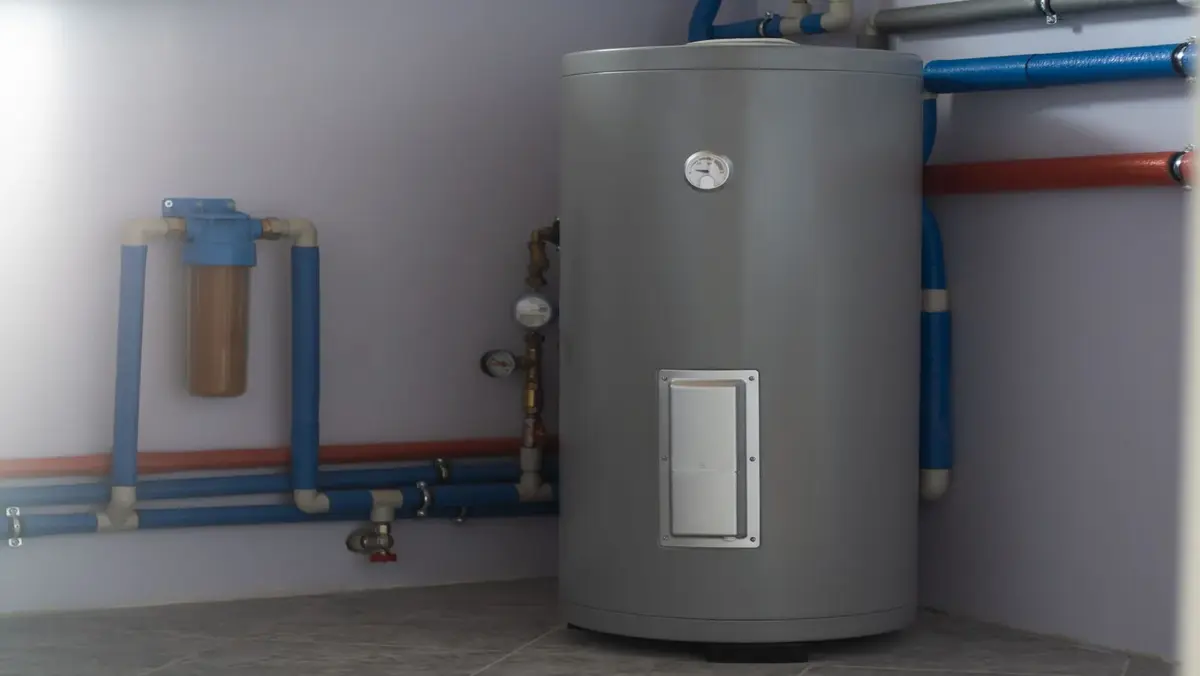
Water heater installation helps homeowners choose the right tank size by checking the actual space where the unit will go. A large tank may seem useful, but it still needs to fit safely and properly in the utility area, garage, basement, closet, or mechanical room. Plumbers can measure height, width, clearance needs, venting requirements, access points, and surrounding equipment before recommending a tank size. This protects homeowners from selecting a unit that creates crowding, service difficulty, or installation complications. Space planning also matters because newer tanks may have different dimensions than older models, even when the capacity appears similar. A home with limited space may need a narrower design, a shorter tank, or a different layout to make the installation work. If homeowners replace an older unit without carefully checking the site, they may discover too late that the preferred size does not fit as expected. Installation guidance turns the sizing decision into one that works both on paper and inside the home.
Water heater installation helps homeowners choose the right tank size by turning household routines, peak demand, recovery needs, future changes, space limits, and operating costs into a clearer decision. Instead of guessing based on the old unit or choosing the largest tank available, homeowners can match the new water heater to the way the home actually uses hot water. This leads to better comfort, fewer interruptions, and more dependable daily performance. With the right installation guidance, tank size becomes less about trial and error and more about choosing a system that truly fits the household’s needs.