
Pipe noise under the floor can be confusing because the source is hidden from view. A sound may seem to come from one room, while the actual pipe runs several feet away beneath flooring, inside a crawl space, or near a wall cavity. Knocking, ticking, humming, rushing, or banging can point to different plumbing issues. A plumber helps identify the cause by studying when the sound happens, which fixtures are used, and how water moves through the system. Early attention can prevent small noises from turning into leaks, pressure problems, or damaged pipe supports.
What the Sounds Reveal
-
Listening to the Pattern of the Noise
A plumber starts by asking what the noise sounds like and when it happens. A sharp bang after a faucet shuts off may suggest water hammer, while a ticking sound may come from pipe expansion as hot water moves through the line. A low humming noise could point to pressure trouble, a valve issue, or vibration from a loose pipe. Rushing sounds may suggest water moving through a supply line, drain line, or hidden leak. A homeowner searching for a plumber in MT Crawford may need help when floor noises appear after showers, toilet flushes, washing machine cycles, or water heater use. Timing gives the plumber useful clues because each fixture affects the plumbing system differently. By matching the sound to the action that triggers it, the plumber can narrow the inspection area and avoid unnecessary cutting, guessing, or opening floors before the likely cause is understood.
-
Checking for Loose Pipes and Weak Supports
Many under-floor noises happen when pipes move because they are not secured tightly enough. Water flow can create vibration, especially when a valve closes quickly or pressure changes suddenly. If a pipe is loose beneath the floor, it may tap against wood framing, joists, brackets, or nearby surfaces. A plumber can inspect accessible areas such as basements, crawl spaces, utility rooms, and openings near fixtures to see whether the pipe has proper support. Sometimes the solution may involve adding pipe straps, cushioning contact points, adjusting brackets, or creating more clearance where a pipe rubs against framing. This matters because repeated movement can wear down pipe surfaces, loosen joints, or make the noise louder over time. A plumber also checks whether the sound is coming from the supply piping, drain piping, or heating lines if the home has a hot-water system. Identifying the moving section helps stop the noise at its source.
-
Testing Water Pressure and Flow Changes
Water pressure plays a major role in pipe noise under the floor. If the pressure is too high, water can move through pipes with greater force, creating banging, vibration, or whistling sounds. A plumber can test pressure at the hose bib, main line, or other access point to see whether it is within a safe range for the home. If pressure is high, the plumber may inspect the pressure-reducing valve, shutoff valves, expansion tank, or fixtures that could be contributing to sudden pressure changes. Water hammer is another common reason for loud pipe sounds. It happens when fast-moving water suddenly stops, sending a shock through the pipe. Washing machines, dishwashers, and quick-closing faucets often reveal this problem. A plumber may recommend water hammer arrestors, valve repairs, pressure adjustments, or changes to pipe support. These steps can reduce noise while helping protect joints and connected fixtures from repeated stress.
-
Looking for Drain, Leak, or Venting Clues
Not every noise under the floor comes from supply pipes. Drain lines can also create sounds when wastewater moves through the system, air is not venting correctly, or a partial blockage changes flow. Gurgling, bubbling, or repeated rushing sounds may suggest that water is struggling to move smoothly through the drain. A plumber may check sinks, tubs, toilets, floor drains, cleanouts, and vent lines to understand whether the noise is connected to drainage rather than pressure. Hidden leaks can also create unusual sounds, such as faint dripping, constant running, or damp-area noises beneath flooring. The plumber may look for moisture stains, soft flooring, musty odors, meter movement, or changes in water bills. If needed, careful leak-detection methods can help locate the issue without causing unnecessary damage. Distinguishing normal drainage sounds from a developing leak is important because early repairs can protect flooring, framing, and nearby surfaces.
-
Using Tools Without Damaging the Home
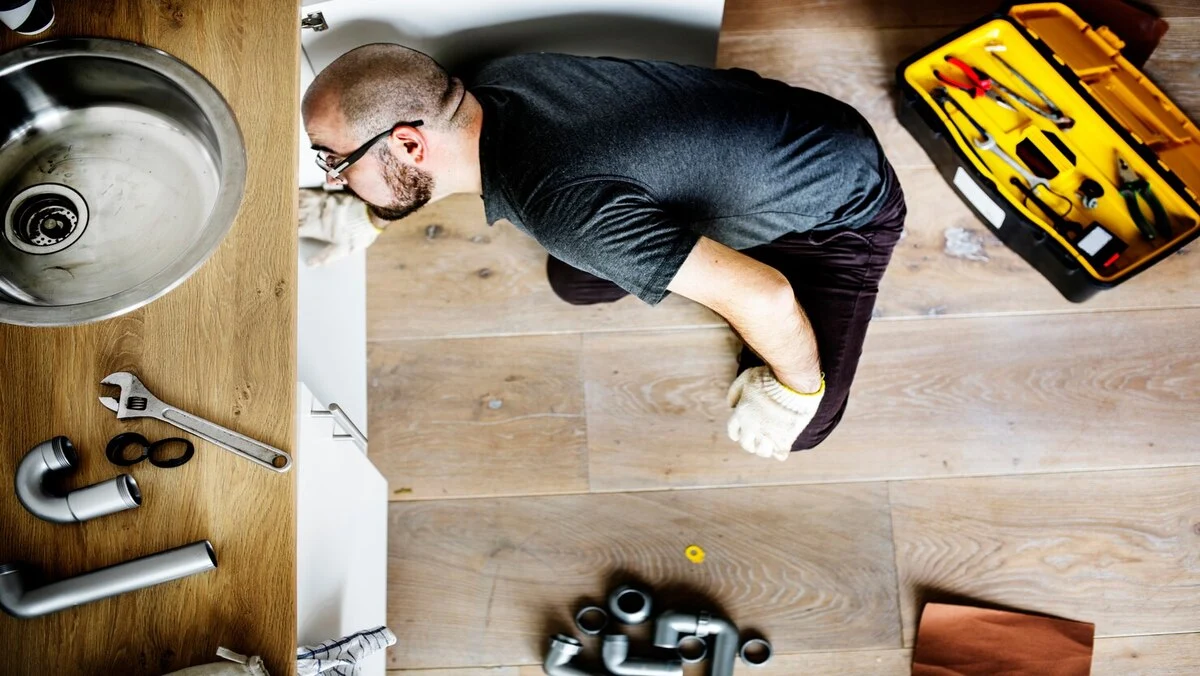
A plumber helps identify under-floor pipe noise with a careful process that protects the home from unnecessary disruption. Instead of opening floors immediately, the plumber may use pressure gauges, listening tools, moisture meters, inspection cameras, or fixture-by-fixture testing. Turning fixtures on and off in a controlled order can reveal which line is making the sound. Checking access panels, crawl spaces, and basement ceilings can provide information before any major work is considered. This step-by-step approach matters because pipe paths are not always simple, especially in older homes, remodeled spaces, or houses with additions. A sound may travel through framing and appear louder in a different room from where it starts. The plumber uses both testing and building layout clues to trace the pipe path. Once the source is confirmed, repairs can be focused on securing a pipe, adjusting pressure, clearing a drain, or fixing a leaking connection.
Quiet Starts With the Right Diagnosis
Pipe noise under the floor should not be ignored when it keeps returning or grows louder. A plumber helps by listening for sound patterns, checking pipe movement, testing pressure, inspecting drains, and looking for signs of leaks. The cause may be simple, such as a loose pipe, or it may indicate pressure issues, water hammer, blocked drainage, or hidden moisture. A careful inspection gives homeowners a clearer answer before damage spreads. When the source is found early, repairs can be more focused, floors can be protected, and the plumbing system can run more quietly during everyday use.