

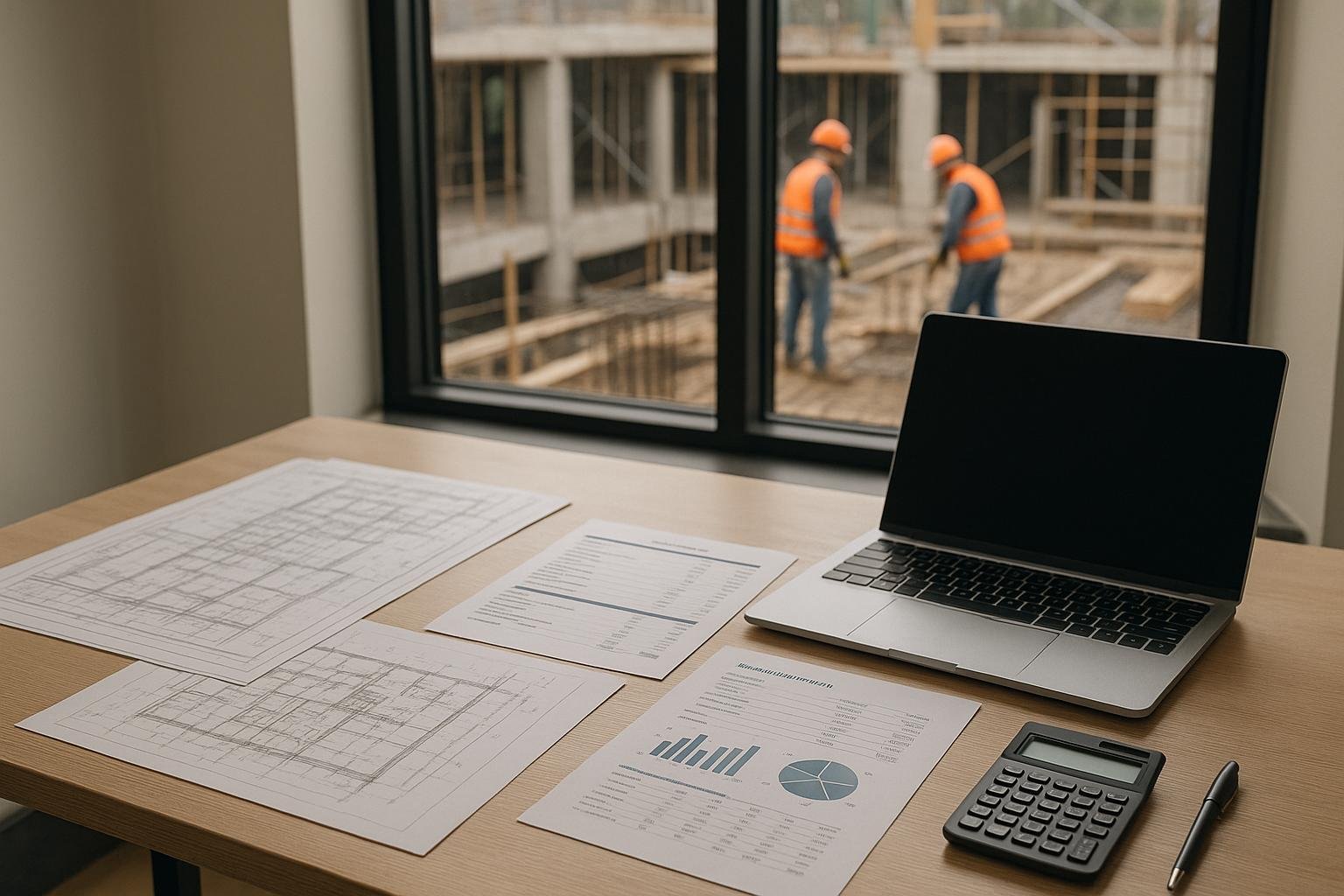
Contractors regularly face decisions about whether to replace aging machinery, purchase additional equipment, or upgrade technology to keep projects moving efficiently. While these investments can improve productivity and create opportunities for larger contracts, they also require careful financial preparation. Purchasing equipment without understanding long-term cash flow, financing obligations, and future operating costs can place unnecessary pressure on a construction business. A structured financial approach enables contractors to evaluate investment timing, anticipate future expenses, and maintain healthy business operations as they expand their capabilities. Careful planning transforms equipment purchases from uncertain expenses into calculated business decisions that support sustainable growth.
Building Financial Readiness
Understanding the Financial Impact of Equipment Purchases
Equipment investments influence far more than a contractor’s immediate budget. A new excavator, skid steer, crane, or fleet vehicle affects insurance costs, maintenance schedules, fuel expenses, employee training, depreciation, and financing commitments for years after the purchase. Contractors who focus only on the purchase price may overlook these ongoing financial responsibilities, creating unnecessary strain during slower construction seasons. Evaluating all costs associated with ownership provides a clearer picture of affordability and expected returns. Financial forecasting helps determine whether purchasing, leasing, or delaying an acquisition better supports company objectives.
Instead of reacting to equipment failures or accepting financing simply because it is available, contractors benefit from reviewing historical revenue, seasonal cash flow, upcoming projects, and projected maintenance expenses. These considerations help identify the right investment timeline while protecting the working capital necessary for payroll, supplier invoices, and daily operational expenses. Careful preparation allows contractors to strengthen financial stability while ensuring equipment purchases contribute positively to long-term profitability rather than becoming burdens that reduce flexibility during changing market conditions.
Aligning Equipment Purchases With Long-Term Cash Flow
Construction businesses often experience fluctuating revenue throughout the year because project schedules, weather conditions, and client payment timelines rarely remain consistent. Equipment purchases should therefore align with predictable cash flow rather than temporary increases in income. Financial planning helps contractors determine whether future project revenue can comfortably support financing payments while continuing normal operations. Fractional CFO solutions for contractors can help evaluate equipment financing decisions in the context of long-term business objectives rather than short-term opportunities. Looking several quarters ahead provides valuable insight into periods when cash reserves may tighten due to seasonal slowdowns or delayed customer payments.
Contractors who understand these patterns can prepare reserve funds before committing to major purchases, reducing the likelihood of financial stress after acquiring new machinery. Evaluating expected maintenance costs, future replacement schedules, tax obligations, and anticipated project workloads creates a more balanced investment strategy. Instead of allowing equipment needs to dictate financial decisions, contractors gain greater confidence by ensuring that every purchase aligns with broader business goals. This disciplined approach supports operational continuity while allowing the company to expand equipment capacity without disrupting other financial priorities.
Measuring Return Beyond Immediate Productivity
New equipment often promises faster project completion, improved efficiency, and reduced labor demands, yet financial value extends beyond productivity gains alone. Contractors should examine how equipment contributes to profitability across multiple years rather than evaluating only immediate operational improvements. Equipment capable of expanding service offerings, increasing bidding opportunities, or reducing subcontracting costs may generate value that exceeds direct labor savings. Financial analysis compares projected revenue growth with ownership expenses, financing costs, depreciation, storage requirements, and maintenance obligations. This broader evaluation helps determine whether purchasing equipment produces stronger financial outcomes than renting when needed.
Contractors also benefit from assessing equipment utilization rates because underused machinery can consume capital without generating proportional returns. Estimating annual usage across multiple projects provides realistic expectations regarding payback periods and overall investment performance. Viewing equipment as a long-term business asset instead of simply another purchase encourages smarter financial planning, enabling construction companies to maintain healthier profit margins while continuing to improve operational capacity through carefully selected investments.
Managing Financing Options With Greater Confidence
Financing provides many contractors with access to equipment that would otherwise require significant cash reserves, but choosing the appropriate financing structure demands careful consideration. Monthly payments, interest rates, loan duration, balloon payments, and financing conditions all influence long-term financial health. Comparing multiple financing scenarios helps contractors understand how each option affects future cash flow and borrowing capacity. Some financing arrangements preserve liquidity but increase total borrowing costs, while others reduce long-term expenses through larger upfront payments. Contractors should also consider how financing commitments interact with future expansion plans, anticipated staffing growth, and upcoming capital improvements.
Understanding existing debt obligations helps businesses avoid overextending while pursuing growth opportunities. Financial projections make it easier to determine whether equipment financing complements operational goals without limiting flexibility during changing economic conditions. Careful evaluation also reduces the likelihood of accepting financing terms that appear affordable initially but create unnecessary pressure later. Thoughtful borrowing decisions allow contractors to maintain financial resilience while investing in equipment that supports ongoing project demands.
Creating Equipment Investment Plans That Adapt to Business Growth
Construction companies rarely remain static, making flexible equipment planning increasingly valuable as business conditions evolve. Contractors that establish multi-year equipment investment strategies can prepare for anticipated growth while avoiding rushed purchasing decisions triggered by equipment breakdowns or unexpected project opportunities. Reviewing replacement schedules, projected maintenance expenses, equipment utilization, and technological developments creates a roadmap for future acquisitions. Financial planning also allows businesses to prioritize purchases based on operational necessity rather than react under pressure.
As company revenue grows, contractors can revisit investment priorities and adjust purchasing timelines in response to changing market conditions or expanding service offerings. Maintaining updated financial forecasts supports informed decision-making by identifying when the business can comfortably absorb additional ownership costs. Equipment planning also encourages proactive discussions with lenders, suppliers, and accounting professionals before immediate needs arise. This preparation reduces uncertainty and provides greater negotiating flexibility while supporting consistent operational growth. Contractors who routinely evaluate financial performance alongside equipment requirements position themselves to respond more effectively to opportunities without compromising financial stability or delaying essential investments.
Successful equipment investments depend on more than identifying the right machinery for upcoming projects. Contractors benefit from understanding how each purchase influences cash flow, financing obligations, profitability, and long-term business objectives before making financial commitments. Careful planning helps balance operational growth with responsible financial management, reducing unnecessary risks while supporting future expansion. By evaluating investment timing, ownership costs, financing structures, and projected returns, construction businesses can make informed decisions that strengthen both productivity and financial stability. Thoughtful preparation turns equipment purchases into strategic business investments that drive sustainable growth rather than creating avoidable financial challenges.