

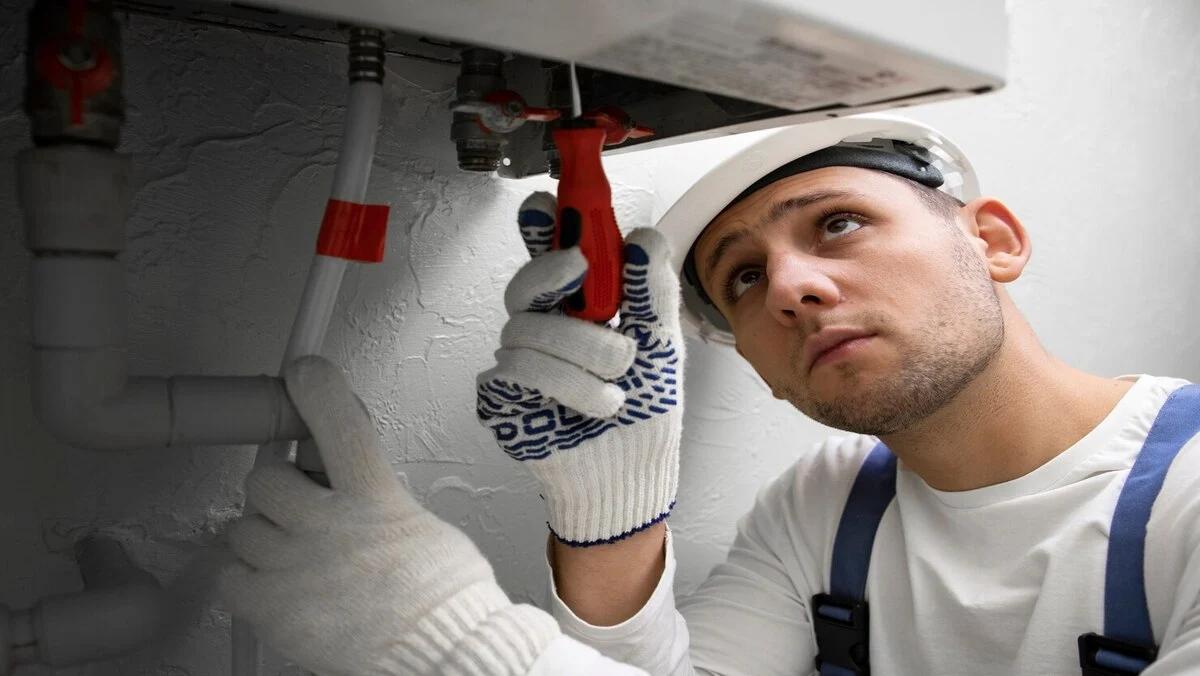
A furnace that blows cold air can quickly make a home uncomfortable, especially during colder months when steady heat is needed most. This problem can occur for several reasons, including thermostat errors, ignition failure, dirty filters, low airflow, gas supply issues, or safety controls shutting down the system. Furnace repair service helps identify the root cause rather than guessing or repeatedly adjusting settings. When the issue is checked early, the furnace has a better chance of returning to safe, steady heating without putting extra strain on important parts.
Warm Air Starts Here
-
Thermostat and Setting Problems Are Checked First
A furnace may blow cold air because the thermostat is not calling for heat correctly. Sometimes the fan setting is switched to “on,” which means the blower runs even when the burners are not producing heat. This can make it seem like the furnace is failing when the system is only moving room-temperature air through the vents. A technician can check thermostat settings, wiring, batteries, calibration, and communication between the thermostat and furnace.
Timely furnace repair can also reveal whether the thermostat is sending weak or incorrect signals that cause the heating cycle to start and stop at the wrong time. This step matters because thermostat issues can look like bigger furnace problems. If the thermostat is placed near drafts, sunlight, appliances, or exterior walls, it may read the room incorrectly and affect heating performance. Correcting these control issues helps the furnace respond properly and keeps warm air moving when the home actually needs heat.
-
Ignition and Burner Issues Can Stop Heat Production
When a furnace blows cold air, the blower may still be working while the burners fail to light. This can happen because of a faulty igniter, a dirty flame sensor, a pilot light issue, a gas valve problem, or a blocked burner assembly. In many modern systems, safety controls will prevent fuel from flowing if the furnace cannot confirm a proper flame. That protection is important, but it can also leave the blower running even when there’s no warm air. A repair visit helps identify whether the ignition system is weak, dirty, cracked, misaligned, or failing. The technician may clean the flame sensor, inspect the igniter, test the electrical connections, and verify that gas is reaching the burner safely.
These steps help restore proper combustion and prevent repeated failed starts. Ignition problems should not be ignored because delayed lighting, short cycling, or repeated shutdowns can place added stress on the system. Repairing burner and ignition issues helps the furnace produce heat consistently again.
-
Dirty Filters and Airflow Restrictions Cause Shutdowns
Airflow problems are another common reason a furnace may blow cold air. A clogged filter, blocked return vent, dirty blower wheel, closed registers, or restricted ductwork can prevent enough air from moving through the furnace. When airflow is too low, heat can build up inside the system. To protect itself, the furnace may shut the burners off while the blower continues running to cool the unit down. This can send cold or lukewarm air through the vents even though the thermostat is still calling for heat. Furnace repair service helps by checking filter condition, blower operation, vent openings, duct pressure, and signs of overheating.
The technician can also look for dust buildup or mechanical strain that keeps air from moving properly. Restoring airflow helps the furnace heat more evenly, reduces unnecessary shutdowns, and protects internal parts from heat damage. A simple airflow problem can become more serious if the furnace keeps overheating during every cycle.
-
Fuel Supply and Safety Controls Need Careful Testing
A furnace needs a steady and safe fuel supply to produce warm air. If gas pressure is low, a valve is not opening correctly, or the system detects an unsafe condition, the furnace may stop heating while the blower keeps running. Safety switches, pressure switches, rollout switches, and limit controls are designed to protect the home and equipment, but they can also shut down the heating process when something is wrong. A technician can test these controls, inspect venting, check for blocked exhaust paths, and confirm that the furnace is receiving the right fuel flow.
This is important because fuel and venting concerns should never be handled through guesswork. Cold air from the vents may be the first clear sign that the furnace is protecting itself from a deeper problem. Repair service helps distinguish between a failed part and a true safety issue. Once the cause is corrected, the furnace can heat more reliably without unsafe operation.
-
Duct and Blower Problems Can Weaken Warm Air
Sometimes the furnace produces heat, but the air reaching the rooms still feels cold. This can happen when ducts leak, run through cold spaces, or lose heat before air reaches the vents. A weak blower motor can also reduce airflow, making rooms slow to warm even when the burners are operating. Furnace repair service can include checking blower speed, motor condition, belt or wheel movement, duct leaks, and temperature differences between the furnace and vents.
If warm air is escaping into an attic, crawl space, basement, or wall cavity, the home may feel cold while the furnace runs longer than needed. Poor duct insulation can also allow heat loss before air reaches distant rooms. These issues affect comfort and energy use because the system must work harder to achieve the same result. Correcting blower and duct problems helps deliver more of the furnace’s heat into the living areas where it belongs.
Reliable Heat Comes From Early Repair
A furnace that blows cold air should be checked before the problem becomes harder to fix. The cause may involve thermostat settings, ignition failure, dirty sensors, airflow restrictions, fuel supply, safety controls, duct leaks, or blower trouble. Furnace repair service helps identify the root cause and restore heat safely, rather than relying on repeated thermostat adjustments or temporary resets. Early attention can prevent overheating, protect key components, reduce energy waste, and keep the home more comfortable. When the system is tested thoroughly and repaired properly, the furnace can resume steady heating and provide dependable warmth throughout the colder season.