

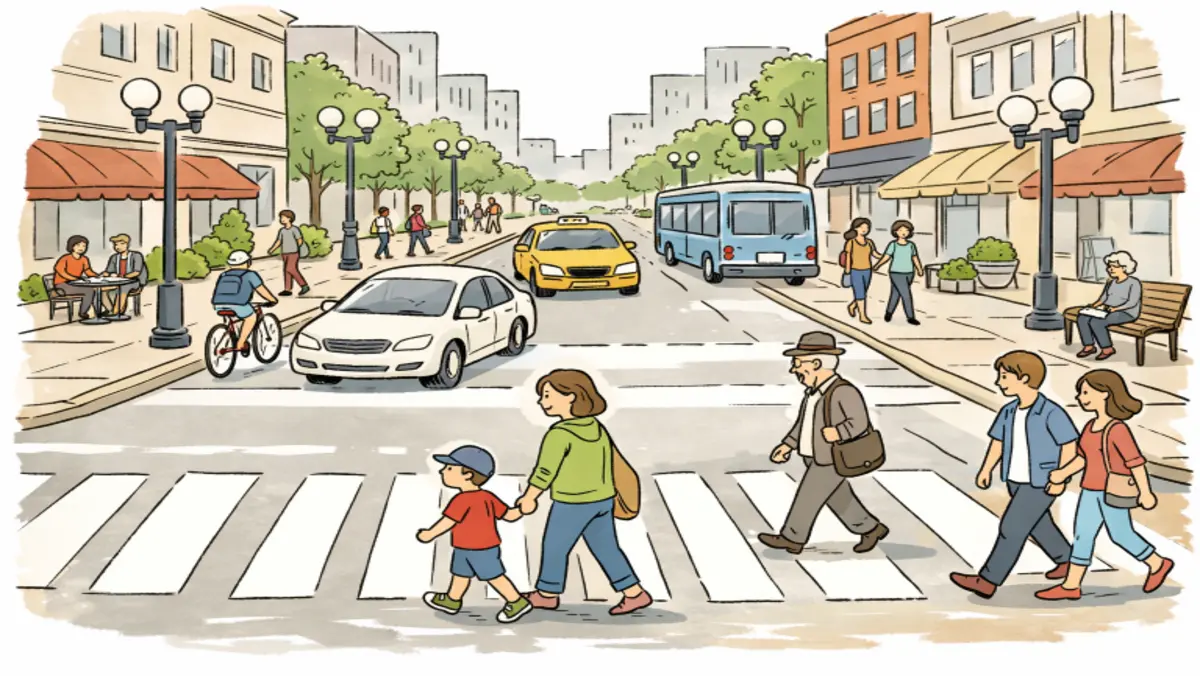
Ensuring pedestrian safety in cities is critical as urbanization accelerates and roadways become busier. Today’s urban planners and community leaders face mounting challenges in preventing pedestrian injuries and fatalities. While broad, long-term solutions are necessary, immediate actions, such as working with Orlando pedestrian accident attorneys, can also support those affected and raise awareness of pedestrian rights and responsibilities. Addressing these challenges means understanding the scope of the problem and implementing changes in design, enforcement, education, and technology.
With pedestrian deaths on the rise in recent years, cities need holistic safety strategies that make streets safer for everyone. Effective urban planning, traffic management, better lighting, robust education campaigns, and innovative technologies can all play vital roles. By studying real-life success stories, cities can adapt proven measures to fit their unique needs and local traffic patterns.
This comprehensive approach helps not only pedestrians but all community members who use city streets every day. Encouraging safer environments leads to healthier, more vibrant, and accessible urban areas for residents and visitors alike.
Current Statistics on Pedestrian Accidents
Pedestrian safety crises have escalated, with significant increases in accidents and fatalities. Data from the Governors Highway Safety Association reports a staggering 50% jump in U.S. pedestrian deaths over the last ten years. For the first half of 2024, reports indicate 3,304 pedestrian fatalities, demonstrating the persistent and urgent scale of this issue. Urban areas, with dense traffic and complex infrastructure, remain particularly hazardous for pedestrians. Understanding these alarming statistics is the first step in developing targeted safety interventions for cities nationwide.
Other concerning trends include the disproportionate impact on seniors and children, who often account for a higher share of injuries and deaths due to their physical vulnerability and increased exposure near schools and residential neighborhoods. Motorists who are distracted by mobile devices and the growing prevalence of SUVs, vehicles with higher front profiles and more severe impacts, also contribute to more serious pedestrian injuries. Studies have shown that over 70% of fatal pedestrian crashes involve a lack of safe crossing opportunities or improperly marked crosswalks, further emphasizing the urgency for comprehensive changes in urban environments.
Effective Urban Planning and Infrastructure
Innovative street design reduces risks for people walking in urban areas. Narrowing traffic lanes from traditional widths to 9 or 10 feet slows down vehicles, encouraging drivers to remain alert and cautious. Cities benefit from creating pedestrian-only zones and ensuring that crosswalks are well-marked and well-illuminated. These features reduce confusion and conflicts between drivers and pedestrians. Properly designed urban environments encourage walking, increase physical activity, and reduce pollution from vehicle emissions.
Adding features such as raised medians and pedestrian refuges at intersections can further enhance safety for those crossing multi-lane streets. Sidewalk continuity, taking care to avoid sudden dead ends, and ensuring ADA-compliance help make streets accessible for everyone, including individuals with disabilities. Strategic placement of public transportation stops and bike lanes can help separate different modes of travel, reduce the risk of vehicle-pedestrian conflicts, and encourage a more walkable city.
Implementation of Traffic Calming Measures
Traffic calming initiatives are effective tools for protecting pedestrians in cities. Lower speed limits, speed bumps, traffic circles, and curb extensions are proven interventions. A study in Chile showed that reducing urban speed limits led to fewer severe traffic injuries, highlighting how even simple speed reductions can save lives and limit injuries to those who share the roads. By prioritizing traffic calming around schools, parks, and busy business districts, municipalities can maximize the impact of these investments and foster stronger community trust in local government efforts.
Enhancing Pedestrian Visibility
Nighttime hours pose the greatest risk for pedestrians. Poorly lit streets and obstructed sightlines contribute to more than 80% of fatal incidents happening on dark urban roads, according to the AAA Foundation for Traffic Safety. Upgrading lighting infrastructure and trimming landscaping around intersections helps drivers spot pedestrians sooner and makes crossings safer for everyone. Even low-cost solutions, such as reflective paint for crosswalks or pedestrian warning signs, can result in sizable reductions in crashes and fatalities.
Public Awareness and Education Campaigns
Infrastructure alone cannot change safety outcomes unless accompanied by behavioral change. Public campaigns, such as Erie County’s “StreetSmart,” promote safe crossing habits, proper use of crosswalks, and shared responsibility. Educational efforts should target both drivers and pedestrians to reinforce compliance with traffic laws. Cities can amplify their impact by partnering with schools, transit agencies, and local nonprofits to deliver ongoing safety messages tailored to their communities.
Supplementing public campaigns with resources from reliable national safety organizations, such as NHTSA’s Pedestrian Safety Program, ensures that evidence-based strategies reach a broader audience and benefit from expert guidance.
Leveraging Technology for Pedestrian Safety
Advanced technologies are already transforming pedestrian street safety. Many new vehicles now feature automatic emergency braking and pedestrian detection systems. Expert analysis credits these innovations with substantial reductions in accidents and insurance claims. Federal data showed that by 2025, traffic fatalities had dropped by 6.7%, with pedestrian deaths falling by almost 11%. These technologies provide a critical safety net, especially in urban areas where distractions and complexities abound.
Cities have also started deploying smart traffic signals that sense pedestrian presence and dynamically adjust crossing times, further reducing conflicts at busy intersections. Mobile apps are being developed to alert distracted walkers or drivers about potential hazards, and city officials can use real-time data from these tools to identify particularly dangerous areas and plan targeted responses. Such innovations help bridge the gap between infrastructure improvements and safe user behaviors, harnessing the power of technology for community benefit.
Case Studies of Successful Initiatives
Cities such as Raleigh, North Carolina, serve as national models for others seeking to prioritize pedestrian safety. Raleigh’s sweeping safety action plan aims to eliminate severe injuries and deaths by 2045 through a combination of high-visibility crosswalks, sidewalk expansions, new medians, and advanced lighting. Other cities across the country have adopted similar principles, often adapting initiatives to local conditions and feedback. Lessons from such cities underline the importance of sustainability, community input, and continued investment in safety upgrades.
Conclusion
Urban pedestrian safety challenges require multifaceted solutions. Cities that embrace smart urban planning, enforce traffic calming, bolster public education, harness new technologies, and learn from proven success stories will see measurable safety improvements. Residents, officials, advocates, and legal professionals all contribute to the development of vibrant, secure environments where walking is encouraged and protected for all.