

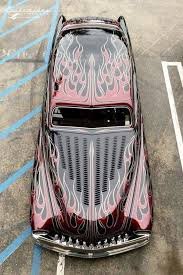
Upgrading the exterior look of a vehicle is one of the most rewarding projects for auto enthusiasts and everyday drivers alike. Whether you want to refresh a faded finish, change colors completely, or add unique visual accents, transforming your car’s aesthetic requires choosing the right medium. The two primary methods for total body changes are vinyl wraps and custom paint jobs.
Both choices offer distinct advantages, costs, and durability expectations. Evaluating the key differences between these options ensures you select the approach that best fits your style goals, budget, and long-term vehicle plans.
Understanding the Basics
To make an informed decision, it is essential to understand how each option is applied and how it interacts with your vehicle’s factory surface.
A custom paint job involves removing the old clear coat or paint, sanding the body panels down to a smooth base, applying primer, spraying multiple layers of colored paint, and finishing with a protective clear coat. This is a permanent alteration that fuses directly to the metal or fiberglass body.
Conversely, a vehicle wrap uses flexible, large-format sheets of self-adhesive vinyl applied directly over the existing clear coat. Skilled installers stretch and conform the material to every contour, edge, and curve of the vehicle, completely concealing the original paint beneath without altering it permanently.
Key Factors to Consider
Comparing these two cosmetic solutions across primary practical categories helps highlight which option suits your specific needs.
Customization Options and Finish Varieties
When it comes to visual variety, wrapping offers an almost limitless array of unique textures and visual effects that are difficult or extremely expensive to reproduce with liquid paint.
- Specialty Textures: Wraps easily achieve matte, satin, brushed metal, chrome, and carbon fiber textures.
- Graphic Designs: Printed graphics and intricate color transitions can be designed digitally and printed directly onto wrap material.
- Paint Depth: High-end custom paint offers unmatched depth, clarity, and reflection, especially when choosing deep metallic flakes, pearlescent finishes, or multi-stage candy colors.
Cost and Installation Timeline
Budget and project duration are often the deciding factors for vehicle owners.
Applying a complete wrap typically takes two to four days, making it a relatively fast process. Because labor hours are reduced compared to extensive body preparation, a high-quality wrap generally costs significantly less than a showroom-quality paint job.
A professional paint job demands meticulous surface preparation, dismantling of trim, sanding, masking, spraying, and curing time. This extensive labor process means a proper custom paint job requires a larger financial investment and can keep your vehicle in the shop for two to three weeks.
Durability, Maintenance, and Protection
Durability depends largely on climate exposure, driving habits, and maintenance routines.
- Protective Benefits: A wrap acts as a sacrificial shield, guarding the underlying factory paint against minor stone chips, sun damage, and light scratches.
- Lifespan Expectancy: Quality wraps typically last between five and seven years with proper care before needing removal or replacement.
- Permanent Resilience: A well-executed paint job, protected by proper wax or ceramic coatings, can last the lifetime of the vehicle. However, damaged paint requires sanding and repainting to fix, whereas a damaged wrap section can simply be peeled off and re-wrapped.
Reversibility and Resale Value
One major advantage of wrapping is complete reversibility. If you decide to sell the vehicle or want to change colors again in a few years, removing the material restores the vehicle to its original factory appearance, provided the original paint was healthy before installation. This preserves the original manufacturer finish, which is often preferred by prospective buyers on the secondary market.
Painting a vehicle a non-factory color can permanently lower its market value unless the paint work is done to an exceptionally high standard. Restoring a painted vehicle to its original shade requires a full, costly respray.
Making the Final Decision
Choose a custom paint job if you are restoring a classic car, require a permanent finish that lasts decades, or desire the deep reflection that only traditional clear coat provides.
Opt for a vinyl wrap if you want a fast installation, unique textured finishes, lower upfront costs, or the ability to return the car to its original color down the road. Both methods yield stunning aesthetic results when handled by qualified professionals.