

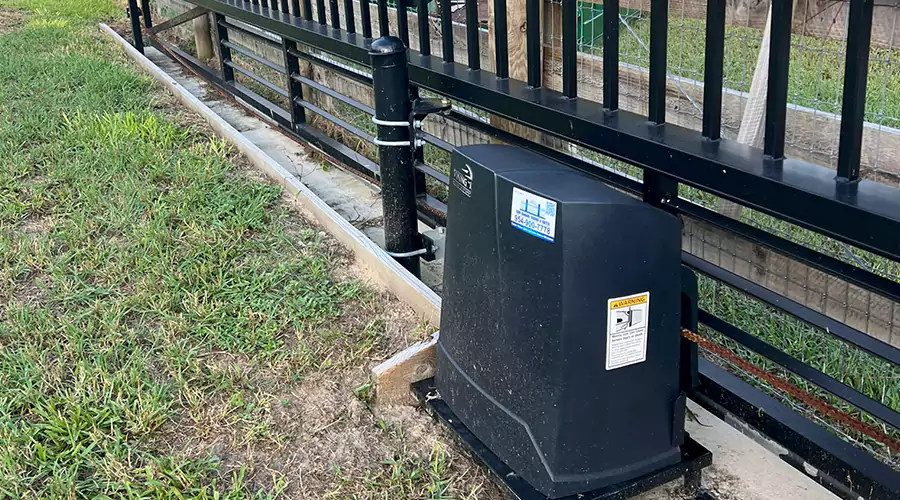
Electric gates provide convenience, security, and smooth property access, but hidden mechanical problems can develop long before complete failure becomes obvious. Small changes in movement, unusual sounds, or inconsistent operation often point to issues concealed within the gate’s mechanical system. Ignoring these warning signs can increase wear on connected components, leading to more expensive repairs over time.
Careful diagnosis focuses on identifying the true source of a problem instead of simply addressing visible symptoms. By examining every moving part and understanding how individual components work together, technicians can uncover conditions that may otherwise remain unnoticed until significant damage occurs.
Looking Beyond Visible Damage
-
Tracking Movement Patterns to Reveal Internal Wear
Many mechanical issues begin with subtle changes in how a gate moves rather than dramatic failures. During a diagnostic inspection, attention is placed on the speed, balance, and consistency of the gate as it opens and closes. Even slight hesitation at one point in the travel path can indicate hidden stress on rollers, hinges, guide tracks, or internal drive mechanisms. Instead of assuming the motor is responsible, every moving connection is evaluated, as mechanical resistance often causes electrical symptoms. Inspectors often cycle the gate several times under different operating conditions to determine whether problems occur consistently or only at specific stages of movement.
These repeated observations help separate temporary interruptions from mechanical defects that gradually worsen with regular use. Property owners searching for an electric gate repair company near Salem often benefit from inspections that identify emerging mechanical issues before they lead to complete operational failure. This patient evaluation reduces unnecessary part replacement while ensuring the actual source of resistance is accurately identified rather than overlooked.
-
Examining Rollers, Hinges, and Structural Alignment
Mechanical problems often remain hidden because they develop slowly through years of normal operation. Rollers may appear intact even as their bearings have already begun to wear unevenly, creating friction that is not easily visible during a quick visual inspection. Hinges may retain sufficient strength to support the gate, yet internal wear allows slight movement that gradually shifts the alignment. As these small changes accumulate, the gate places uneven pressure on tracks, guide posts, and drive assemblies.
A thorough inspection involves checking every connection point for looseness, excessive movement, corrosion, metal fatigue, and signs of abnormal contact between components. Measuring alignment across multiple reference points provides valuable information, as even minor structural shifts can create significant operating resistance. Ground movement, seasonal temperature changes, and repeated daily operation may all influence how the gate sits within its opening. Understanding these relationships allows hidden mechanical faults to be distinguished from surface-level cosmetic issues that have little effect on overall performance.
-
Detecting Friction Before Components Fail
Hidden friction is one of the leading causes of mechanical deterioration because it increases stress throughout the entire gate system. A gate may continue functioning while internal resistance steadily damages rollers, gears, mounting brackets, and supporting hardware. Diagnosing this type of problem requires more than observing whether the gate opens successfully. Inspectors carefully listen for scraping sounds, grinding noises, vibration, or changes in motor effort that indicate excessive resistance somewhere within the mechanical assembly.
Contact surfaces are examined for polished areas, unusual wear marks, or metal shavings that suggest two components have been rubbing together longer than intended. Lubrication is also evaluated because inadequate lubrication can hide larger mechanical concerns by temporarily masking symptoms. If lubrication repeatedly disappears or becomes contaminated with debris, it often indicates an underlying issue that requires attention. Identifying friction early helps preserve the lifespan of surrounding components while preventing isolated wear from spreading into multiple interconnected mechanical failures.
-
Inspecting Drive Systems and Load Distribution
Drive mechanisms work efficiently only when the entire gate distributes weight evenly throughout its structure. During diagnosis, the drive arm, chain, rack, gearbox, mounting hardware, and supporting framework are examined together instead of individually. Uneven loading frequently places additional strain on moving components that were designed to operate under balanced conditions. Over time, this imbalance accelerates wear inside gear assemblies while increasing stress on motors and supporting brackets. Inspectors also verify that mounting points remain secure, as loose hardware can allow movement that gradually alters mechanical alignment.
Even when drive components appear functional, hidden stress can shorten their service life if surrounding mechanical conditions remain uncorrected. Measuring how force is transferred throughout the opening and closing cycle helps identify sections of the system that experience greater-than-intended resistance. This broader evaluation ensures that replacing one worn component does not leave the underlying mechanical imbalance unresolved, allowing repairs to provide longer-lasting performance.
-
Understanding How Minor Defects Become Major Repairs
Mechanical failures rarely occur without warning. Most begin as small imperfections that gradually influence neighboring components until multiple problems develop simultaneously. A slightly worn roller may eventually force the gate out of alignment, increasing pressure on hinges and causing the motor to work harder during every operating cycle. As additional resistance develops, fasteners loosen, brackets shift, and internal gears experience unnecessary strain. Diagnosing hidden problems requires recognizing these connected patterns rather than viewing each worn component as an isolated defect.
Inspectors compare wear across different sections of the gate to determine which issue likely appeared first and how it affected the rest of the system. This approach reduces the likelihood of recurring failures because repairs address the sequence of mechanical deterioration rather than only replacing visibly damaged parts. Understanding the progression of wear helps property owners make informed maintenance decisions that reduce future interruptions while preserving reliable gate operation.
Hidden mechanical problems often develop quietly, making careful diagnosis essential for maintaining safe and dependable electric gate operation. Thorough inspections evaluate movement, alignment, friction, load distribution, and component interaction to uncover issues that cannot be identified through a quick visual check alone. Addressing these conditions early reduces unnecessary strain on connected parts and helps prevent larger repair projects later. Every gate operates as an interconnected mechanical system, meaning even minor defects can gradually influence overall performance. Consistent inspections combined with timely repairs allow property owners to extend equipment life, improve daily reliability, and minimize unexpected operational disruptions before they become costly concerns.