

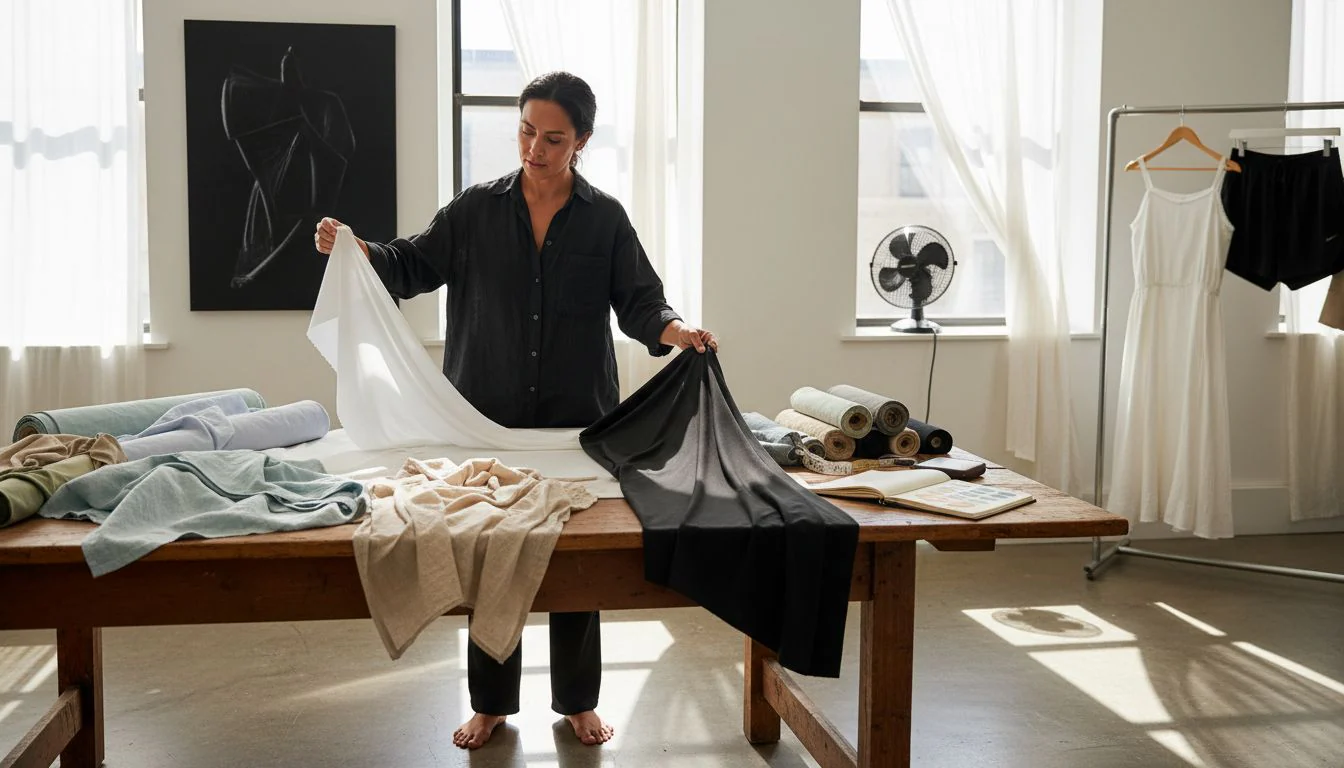
When temperatures begin to rise, most people focus on updating their wardrobe with lighter colors and seasonal styles. However, one factor often has a greater impact on comfort than design or color alone: fabric choice.
The material used in clothing can determine how comfortable you feel throughout the day. It affects breathability, moisture management, weight, flexibility, and overall wearability. Choosing the right fabrics during warmer months can make outdoor activities, daily commutes, social events, and even workdays significantly more enjoyable.
As consumers become more conscious of comfort and practicality, fabric selection has become an important consideration in modern fashion. Understanding how different materials perform in warm weather can help individuals make better purchasing decisions and build a wardrobe that works with the climate rather than against it.
Why Breathability Matters
One of the biggest challenges during hot weather is managing body heat. As temperatures increase, the body naturally works to cool itself through perspiration. Clothing that restricts airflow can trap heat and moisture, leading to discomfort throughout the day.
Breathable fabrics allow air to circulate more freely around the body. This circulation helps excess heat escape and supports the body’s natural cooling process.
Garments made from lightweight, breathable materials are often preferred during summer because they help create a more comfortable wearing experience, particularly during outdoor activities or long periods of movement.
Fabric Weight Makes a Difference
Not all fabrics perform the same way in warm conditions. Even materials made from similar fibers can feel completely different depending on their weight and construction.
Lightweight fabrics generally feel cooler because they place less insulation between the body and the surrounding air. Heavier fabrics, while sometimes appropriate for formal settings or cooler evenings, can feel restrictive when worn during peak summer temperatures.
For this reason, many shoppers pay close attention to fabric weight when selecting seasonal clothing. A lightweight garment can often provide the same stylish appearance as a heavier alternative while delivering superior comfort.
Moisture Management and Everyday Comfort
Warm weather often means increased perspiration, making moisture management another important factor when choosing clothing.
Certain fabrics absorb moisture and allow it to evaporate efficiently, helping wearers stay comfortable throughout the day. Others may retain moisture, leading to a heavier and less pleasant wearing experience.
For people who spend considerable time outdoors, commute regularly, or attend lengthy social events, moisture management can have a noticeable impact on overall comfort.
Clothing that handles moisture effectively often feels fresher for longer periods and requires fewer adjustments throughout the day.
The Relationship Between Fabric and Movement
Comfort is not solely about temperature regulation. Freedom of movement also plays an important role, especially during warmer months when people tend to be more active.
Fabrics that drape naturally and move with the body often provide a more relaxed and comfortable fit. This flexibility becomes particularly important during events that involve extended periods of standing, walking, or socializing.
When garments feel restrictive, even attractive outfits can quickly become uncomfortable. As a result, many consumers prioritize fabrics that offer both elegance and ease of movement.
Seasonal Fashion Continues to Evolve
The fashion industry has responded to growing consumer demand for comfortable clothing by placing greater emphasis on fabric innovation and seasonal practicality.
Today’s shoppers are looking beyond appearance alone. They want clothing that performs well under real-world conditions while still reflecting their personal style.
This shift has encouraged designers and brands to focus on materials that balance aesthetics with comfort. Seasonal collections often highlight fabrics specifically selected for warm-weather wear, helping consumers navigate changing temperatures without compromising on style.
Many shoppers explore a luxury lawn collection during the summer months because lightweight fabrics and refined designs often provide a practical combination of comfort and elegance for seasonal dressing.
Color and Fabric Work Together
Although fabric composition is important, color also contributes to overall comfort.
Lighter shades tend to reflect more sunlight, while darker colors absorb more heat. When combined with breathable fabrics, lighter colors can help create an even cooler and more comfortable experience.
This is one reason why soft neutrals, pastels, and light earthy tones frequently appear in warm-weather fashion collections. They complement seasonal fabrics while enhancing visual freshness.
However, color alone cannot compensate for poor fabric selection. A lightweight, breathable material generally has a greater influence on comfort than color by itself.
Caring for Summer Fabrics
Proper care helps maintain the comfort and appearance of seasonal clothing. Following recommended washing instructions can preserve fabric integrity and extend garment lifespan.
Overwashing, excessive heat during drying, and harsh detergents can gradually affect fabric performance. Taking a few extra precautions helps ensure that clothing remains comfortable and visually appealing throughout the season.
Well-maintained garments not only last longer but also continue to provide the comfort benefits that made them appealing in the first place.
Making Smarter Wardrobe Decisions
Understanding fabric characteristics allows consumers to make more informed choices when shopping. Rather than focusing exclusively on trends, shoppers can evaluate garments based on how they are likely to perform in everyday situations.
Questions such as “Will this fabric breathe well?” or “Will this remain comfortable during extended wear?” often lead to better purchasing decisions than simply following seasonal trends.
A practical wardrobe combines style with functionality, ensuring that clothing remains enjoyable to wear long after the initial purchase.
Final Thoughts
Fashion and comfort do not have to compete with one another. The right fabric can enhance both appearance and wearability, making warm-weather dressing significantly easier.
As temperatures rise, thoughtful fabric selection becomes one of the most effective ways to improve everyday comfort. Breathability, moisture management, flexibility, and lightweight construction all contribute to a better overall experience.
By paying closer attention to fabric choices, consumers can create wardrobes that not only look good but also support comfort throughout the warmer months, making every outing, gathering, and daily activity more enjoyable.