
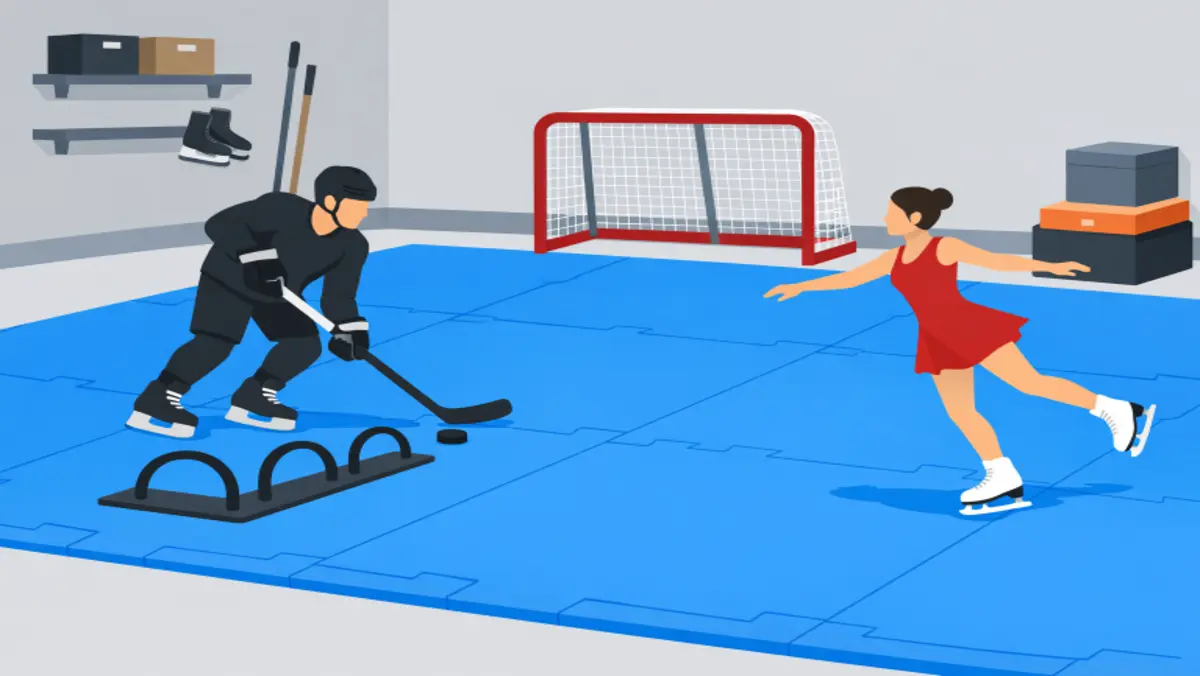
Transforming your living space into a personal skating haven is now easily achievable with synthetic ice. This innovative surface enables athletes and enthusiasts to hone their skating skills throughout the year, regardless of outdoor temperatures or weather conditions. For those passionate about hockey, figure skating, or simply enjoying recreational skating, a well-designed synthetic ice setup brings the rink to your doorstep.
Synthetic ice technology has advanced substantially over the past decade, offering a realistic glide experience that closely mimics real ice. With the right approach, you can create a dynamic skating environment that meets your needs and grows with your ambitions. Whether you are looking to practice stickhandling, shooting, or edge work, understanding your options and optimal setup methods will ensure a rewarding and safe experience.
By setting up a home skating surface, skaters have the freedom to practice their skills at any time, resulting in more rapid and consistent progress. Synthetic ice presents an opportunity for families to enjoy an active lifestyle indoors, promoting both skill development and healthy living. If you are considering investing in a home rink, it is important to understand the factors that contribute to a successful setup and effective training regimen.
Understanding Synthetic Ice
Synthetic ice is primarily made from high-density polyethylene (HDPE) or ultra-high molecular weight polyethylene (UHMWPE). These materials offer exceptional durability and a slick finish suitable for use with traditional ice skates. The panels are designed to interlock, resulting in a seamless surface that is strong enough to handle both casual skating and high-intensity drills. The glide, though slightly different from frozen water, has improved dramatically thanks to newer technologies, providing realistic resistance and feedback for skaters of all levels.
Choosing the Right Location
Selecting the proper place for your synthetic ice installation determines both the usability and longevity of your rink. Some of the most popular home locations include:
- Garages: Offer plenty of space and a controlled environment, shielding the surface from weather fluctuations.
- Basements: Provide insulation and consistent temperatures year-round, ideal for frequent practice.
- Backyards: Allow for larger rinks and outdoor enjoyment, although surfaces must be protected from direct sun and weather when not in use.
Regardless of location, it is crucial to ensure that the surface below your panels is flat and level. Avoiding bumps and inclines will protect your panels from unnecessary wear and provide a safer skating experience.
Installation Tips
Setting up your panels accurately will maximize the performance and durability of your investment. Here are some essential steps to follow:
- Surface Preparation: Begin by thoroughly sweeping and leveling your chosen area. Any debris or unevenness can cause gaps and premature wear.
- Panel Assembly: Connect your panels by following the manufacturer’s recommended method. Secure, tight interlocking is essential for a smooth skating surface.
- Seam Alignment: Regularly check all seams to ensure they are flush. Tight seams will prevent skates from catching and ensure a more uniform glide.
For a more detailed breakdown, refer to this helpful installation guide from IFS Magazine.
Essential Equipment
To unlock the true potential of your home rink, consider pairing it with specialized training aids and safety accessories:
- Stickhandling Trainers: A tool like the Razor Dangler 2.0 helps athletes work on puck control and hand speed from any angle.
- Shooting Targets: Placing targets in your goal or on the net improves aim and helps simulate game scenarios.
- Protective Netting: Use nets to shield windows and minimize risks associated with stray pucks.
When setting up your rink, start with the basics and expand your equipment collection as your training evolves.
Maintenance Practices
Keeping your synthetic ice clean and well-maintained is vital for preserving its glide properties and durability. Regularly sweep the surface to remove dust and debris that could scratch the panels. Many manufacturers also recommend applying a non-toxic lubricant to reduce friction and maintain peak performance. Additionally, inspect your panels and seams regularly to catch early signs of wear and address them promptly to extend the life of your rink.
Training Drills
Consistent practice with focused drills is where the advantages of synthetic ice become most apparent. Skaters can work on a number of essential skills, including:
- Edge Work: Practice tight turns, crossovers, and stops to build agility and balance.
- Shooting Drills: Work on wrist shots, slap shots, and backhands from different areas and angles.
- Stickhandling Routines: Create obstacle courses to challenge your dexterity and coordination with the puck.
Laying out a variety of drills makes each session unique and keeps skaters engaged in their skill development.
Safety Measures
Safety is a top concern in any home sports environment, and synthetic ice is no exception. Skaters should always wear helmets, gloves, and appropriate pads to protect against falls and collisions. Evaluate the area around the rink and keep it free from furniture, boxes, or other obstacles. When children are using the rink, ensure adult supervision and provide clear guidelines for safe play to minimize the risk of injury.
Benefits of Home Synthetic Ice
Installing a synthetic ice rink at home presents a range of long-term advantages:
- Convenience: No need to commute to a public rink, as practice can happen anytime.
- Cost Savings: Over time, you save on rink fees and travel expenses.
- Skill Growth: Athletes who practice regularly at home often see rapid improvement in technical skills and overall confidence.
For more on how synthetic ice setups can transform training routines, read this detailed analysis from Potent Hockey.
By carefully designing, maintaining, and using your home synthetic ice rink, you can create an environment that supports lifelong skill growth, health, and enjoyment for the whole family.