
Understanding how road conditions affect the likelihood of car accidents is essential for anyone concerned with driver safety. Various elements, such as weather, maintenance practices, and roadway design, are key contributors to accident rates. Knowing how these factors increase collision risks can inform better driving habits and policy decisions, making travel safer for everyone. If a car accident does occur due to hazardous road conditions, consulting an experienced Natick car accident lawyer can help you understand your options and protect your rights.
External conditions are often beyond a driver’s immediate control, yet they play a significant role in everyday travel safety. By understanding how these risks arise and which strategies help minimize them, drivers, government officials, and community leaders can work together to reduce accidents and their aftermath. Accidents may occur even on well-designed, maintained roads because drivers fail to adapt to changing conditions, underscoring the importance of awareness and education. Road safety improvements offer long-lasting protection for the public, making these analyses crucial for urban planners and policymakers.
Weather Conditions and Accident Risks
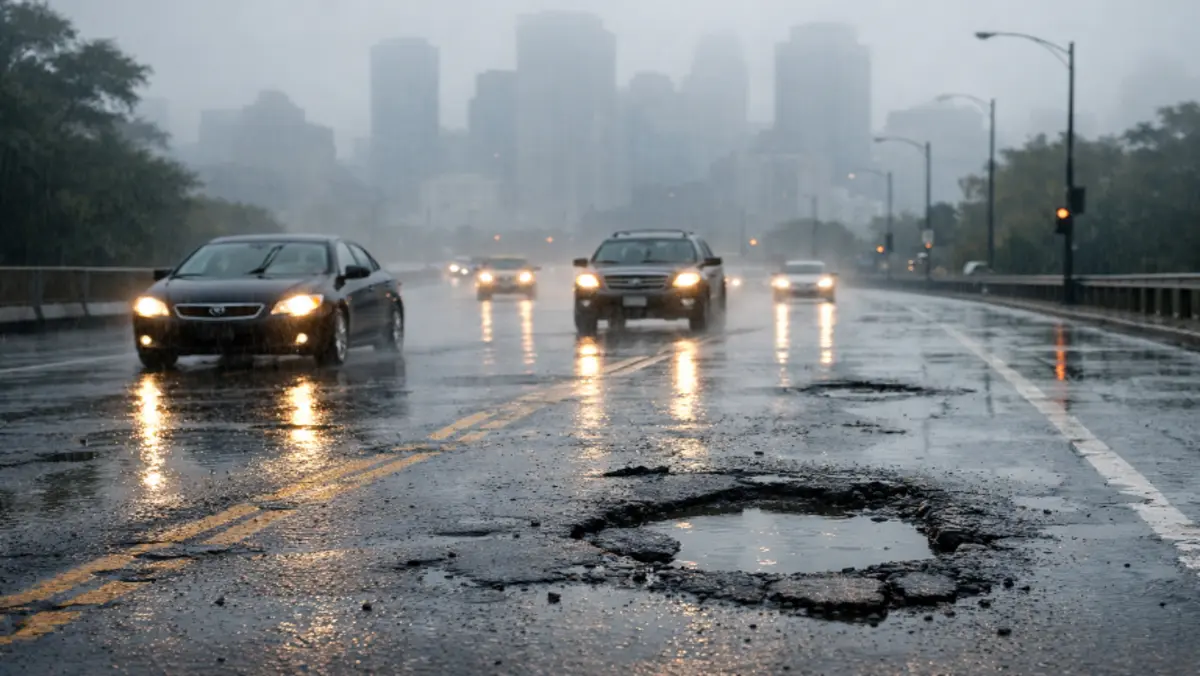
Adverse weather, including rain, snow, fog, and ice, significantly increases the danger of auto accidents. Light rain alone raises the risk of a fatal crash by 27 percent, as it both decreases tire traction and limits visibility. Even in mild weather, unexpected slick spots and standing water can lead to dangerous hydroplaning or sudden loss of control, especially when drivers do not slow down appropriately. According to the National Highway Traffic Safety Administration, in 2023, there were 320 fatal traffic crashes and an estimated 22,293 injury crashes that occurred when snow or sleet was present at the time of the crash. This underscores how even minor weather changes should prompt drivers to be extra cautious and adjust their behavior on the road. Additionally, cold snaps may cause black ice, which can be particularly hazardous since it is nearly invisible but extremely slippery, catching many drivers off guard.
Road Maintenance and Surface Quality
Poorly maintained roads go beyond being a nuisance; they represent a real safety hazard. Potholes, large cracks, and uneven surfaces can cause vehicles to veer unpredictably, damage tires, or even lead to loss of control at higher speeds. Cities like Baltimore have reported that drivers incur nearly $3,000 in costs per year due to deteriorating road conditions and traffic delays. Consistent investment in timely road maintenance, resurfacing, and effective repairs is critical for reducing accident frequency and improving both the durability and reliability of transportation infrastructure. Furthermore, constructing roads with high-quality materials and regularly inspecting bridges, tunnels, and drainage systems are crucial actions that further help minimize risks to drivers over time.
Road Design and Geometry
The layout of a road is just as important as its surface. Roads with sharp bends, sudden elevation changes, or inadequate safety barriers leave drivers with limited reaction time, which heightens the risk of accidents. A study published in the journal Applied Sciences found that curved, poorly marked roads are more likely to be the scene of collisions than straight, well-signed routes. Thoughtful design and engineering, including improved signage and better separation of traffic flows, dramatically reduce the likelihood of driver confusion and subsequent accidents.
Not only are physical features like curves and intersections important, but road width and lane markings also play a vital role in accident prevention. Ensuring that these aspects meet modern safety standards helps lower crash rates statewide.
Impact of Traffic Congestion
Heavy traffic congestion poses unique accident risks. With frequent stops, abrupt lane changes, and reduced maneuvering space, rear-end collisions become far more common. For residents of highly congested cities, these issues also cause significant personal expenses, including wasted fuel and more time spent commuting. News outlets like USA Today have shown how chronic congestion can affect local economies, making it a problem for both individuals and communities. The resulting frustration may also lead to aggressive driving, further increasing the likelihood of accidents and injuries on busy roads.
Technological Advancements in Road Safety
Technology is becoming an invaluable tool in the battle against roadway hazards. Real-time traffic monitoring, adaptive traffic lights, and automated warning systems allow for instant responses to changing road conditions. Cities that invest in these advancements are seeing improvements in both accident rates and traffic flow. For example, adaptive traffic signal systems can quickly balance traffic loads, helping to reduce bottlenecks and minimize dangerous overcrowding. Incorporating sensors for early ice detection or dynamic signage can further alert drivers to issues before they encounter them, promoting quick, informed responses. Technology also has the potential to lower emergency response times when accidents do occur, potentially saving more lives.
Driver Awareness and Education
While infrastructure provides the foundation for safety, it is ultimately drivers who must interpret and respond to changing conditions. Ongoing education on safe driving practices, such as maintaining safe distances, reducing speed in rain or fog, and understanding local construction zones, has a significant impact on reducing accidents. Initiatives that raise awareness, through campaigns or structured driver education, help more drivers recognize risks and act responsibly, creating a safer environment for all road users. Schools and community organizations can take an active role in promoting these practices, fostering a culture of responsibility from a young age, and encouraging safer driving habits among future generations.
Policy and Infrastructure Investments
Modernizing and maintaining roadways requires a firm commitment from federal, state, and local agencies. Comprehensive policies that prioritize road repair, hazard mitigation, intersection improvements, and pedestrian protections are vital. Investments in proactive measures, such as reengineering high-risk intersections or expanding public transit options, not only prevent accidents but also lower community costs associated with congestion and roadway damage. Data-driven policy development promotes targeted interventions where accident rates or road deterioration are highest, thereby maximizing the impact of each dollar spent. In addition, long-term investment and cooperation between government agencies and private partners ensure the sustainable improvement of transportation networks for future generations.
Conclusion
Changing road conditions affect millions of drivers daily and significantly increase the risk of collisions. The interplay of weather, road quality, design, and traffic flow creates a dynamic environment that requires ongoing vigilance and adaptation from drivers, policymakers, and the community alike. Through technological advancements, education, and infrastructure improvements, significant strides can be made to reduce car accidents and enhance the overall safety of our roads. By addressing these key elements in tandem, everyone can help promote safer travel for years to come.